
If you’ve ever visited Mirchili Karachi, you probably noticed how the aroma of masala dosa fills the air and makes your mouth water instantly. Masala dosa is not just a simple South Indian dish; it is an explosion of flavors that combines crispiness, spice, and a comforting warmth.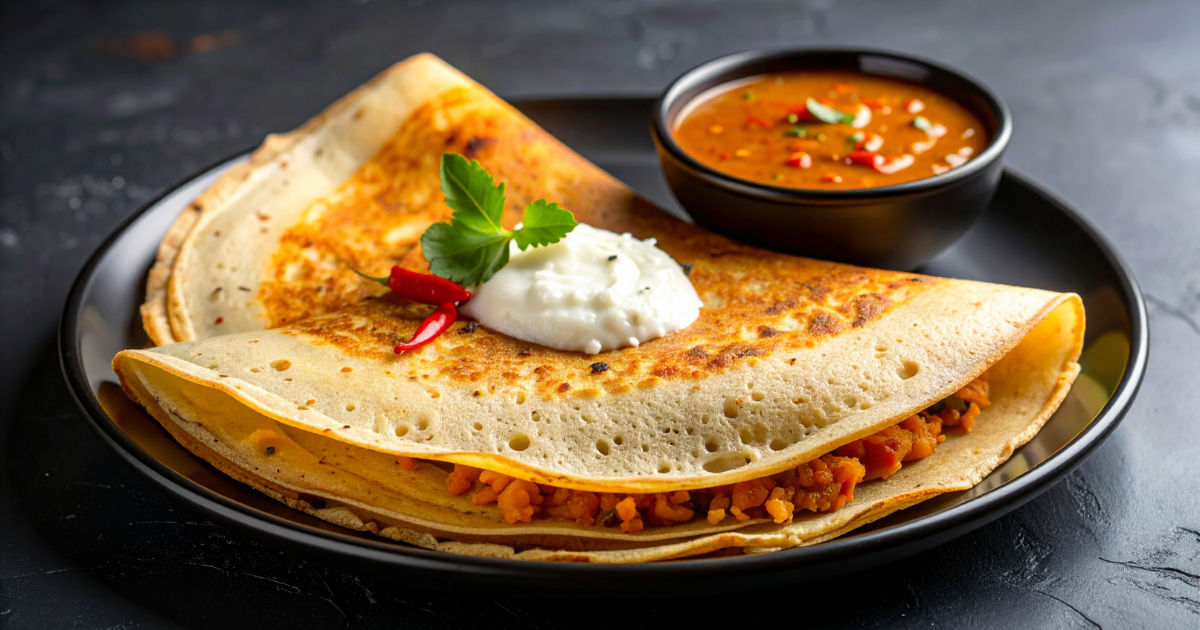
Many people wonder what makes this delicacy so irresistibly flavorful, and the answer lies in the perfect balance of ingredients, preparation techniques, and cultural culinary traditions.
The beauty of masala dosa lies in its layers. It starts with a thin, golden-brown fermented rice crepe, which is then filled with a spiced potato mixture that has just the right amount of tang, heat, and sweetness. Every bite delivers a combination of textures and flavors that dance on the palate.
In this guide, we will explore everything that makes masala dosa so flavorful, including its ingredients, preparation, and the subtle techniques that elevate it from simple food to culinary art.
The Origins of Masala Dosa
Masala dosa originates from South India, specifically from the states of Karnataka and Tamil Nadu. Historically, it evolved from a simple dosa, which was just a plain rice and lentil crepe, to a stuffed version that included spiced potatoes and other fillings. Over the years, masala dosa has become a beloved dish across India and even internationally.
The uniqueness of masala dosa comes from its fermentation process. Rice and lentils are soaked, ground, and left to ferment overnight, which not only enhances the flavor but also adds a slightly tangy taste. This fermentation is one of the secrets to why masala dosa tastes so different from other pancakes or crepes.
Key Ingredients That Elevate Flavor
One of the reasons masala dosa is so irresistible is the quality and combination of ingredients used. The dosa batter, the potato filling, and the accompaniments all contribute to its signature taste.
Rice and Lentils for the Perfect Crepe
The dosa batter is made from rice and urad dal (split black gram). Soaking these ingredients overnight and then grinding them finely ensures a smooth, airy batter. Fermentation not only helps the dosa rise slightly when cooking but also adds a subtle sourness that complements the spicy potato filling.
Spiced Potato Filling
The filling is where most of the flavor comes alive. Typically, boiled potatoes are mashed and cooked with mustard seeds, curry leaves, green chilies, turmeric, ginger, and occasionally onions. The careful balance of spices makes the filling aromatic without overpowering the delicate taste of the dosa itself.
Aromatic Herbs and Spices
Masala dosa also gains its flavor from fresh herbs such as coriander and curry leaves. Spices like turmeric, black mustard seeds, and asafoetida add depth to the taste, while green chilies provide the subtle heat that makes it exciting. The key is not just using spices, but using them in the right proportion to create harmony rather than a sharp or overpowering taste.
The Art of Making the Perfect Dosa
Making masala dosa is as much about technique as it is about ingredients. The dosa must be thin, crispy, and evenly cooked, while the filling must be flavorful but not mushy.
Preparing the Batter
After soaking rice and lentils, grinding them into a fine paste is essential. The batter should be thick but pourable. Fermentation overnight is crucial because it helps develop flavor and creates tiny bubbles that make the dosa light and crisp.
Cooking the Dosa
A hot, lightly greased skillet is necessary for cooking. Pouring the batter and spreading it in a circular motion creates a thin layer. Cooking on medium heat ensures crisp edges while keeping the center soft. A well-cooked dosa has a golden hue, delicate crispiness, and a subtle tang from fermentation.
Assembling the Masala Dosa
Once the dosa is ready, the potato filling is placed in the center. Folding it carefully ensures the filling stays intact while each bite combines both crispy crepe and soft, flavorful potatoes. The final touch is usually a small dollop of ghee, which adds a rich aroma and buttery texture that elevates the dish further.
The Role of Accompaniments
Masala dosa is often served with chutneys and sambar, which enhance its flavor profile.
Coconut Chutney
Coconut chutney provides a creamy, slightly sweet contrast to the spiced potato filling. The mild taste of coconut balances the heat from the chilies, creating a harmonious flavor combination.
Tomato or Coriander Chutney
Tomato or coriander chutneys add tanginess and freshness. They are typically spiced lightly to complement, not compete with, the main flavors of the dosa and filling.
Sambar
Sambar is a lentil-based vegetable stew, flavored with tamarind, curry leaves, and spices. Its tangy, spicy, and slightly soupy texture provides a perfect dip for each bite of dosa. The interplay between the crisp dosa, soft potatoes, and liquid sambar creates an irresistible mouthfeel that keeps people coming back for more.
Why Masala Dosa Stands Out Globally
Masala dosa is not just popular in India; it has fans worldwide. Its appeal lies in the combination of textures, flavors, and health benefits. Unlike heavily fried foods, dosa is relatively light and made with fermented ingredients, making it easier to digest. The potato filling adds satiety while keeping the dish vegetarian-friendly.
Restaurants like Mirchili Karachi have popularized authentic masala dosa by maintaining traditional preparation techniques while adding slight local variations to suit regional tastes. The aroma, presentation, and taste make it an unforgettable experience, which is why many food lovers consider it a must-try when exploring South Indian cuisine.
Variations of Masala Dosa
While the traditional masala dosa remains a favorite, there are several variations that add interesting twists without losing the essence of the dish.
Rava Dosa
Rava dosa uses semolina instead of rice for the crepe. This makes it crispier and slightly nuttier in flavor. Despite the difference in the batter, the filling remains the same, ensuring that the flavor experience is still rich and satisfying.
Cheese or Paneer Dosa
Adding cheese or paneer to the traditional potato filling gives the dosa a creamy texture. The melted cheese blends with the spices, creating a rich, indulgent taste that appeals to modern palates.
Masala Set Dosa
Some restaurants serve smaller, thicker dosas in sets with multiple fillings, allowing you to experience different flavors in one meal. This approach highlights the versatility of masala dosa and why it remains a favorite across generations.
Nutritional Benefits of Masala Dosa
Masala dosa is not only delicious but also nutritious. Fermented dosa batter contains probiotics, which help digestion. Potatoes provide carbohydrates and essential minerals, while the spices used in the filling have antioxidant properties. When paired with chutney and sambar, it becomes a well-rounded meal that balances taste and nutrition.
Eating masala dosa at places like Mirchili Karachi ensures that you get authentic preparation, which maximizes both flavor and nutritional benefits. The use of fresh ingredients and careful cooking methods preserves vitamins and minerals, making it a satisfying and relatively healthy choice.
Tips for Making Masala Dosa at Home
While restaurants perfect the art, making masala dosa at home can be rewarding. Here are some tips:
-
Use fresh ingredients – Fresh curry leaves, chilies, and coriander make a noticeable difference.
-
Patience in fermentation – Do not rush the batter; let it ferment properly to achieve the signature tangy flavor.
-
Proper heat control – Too hot, and the dosa burns; too low, and it becomes soft and chewy. Medium heat is ideal.
-
Spice balance – Adjust green chilies and turmeric according to taste, but don’t skip them; they are essential for flavor depth.
-
Ghee finish – Brushing ghee on the dosa before serving adds aroma and richness that elevates the flavor.
Cultural Significance
Masala dosa is more than just food; it’s a cultural symbol in South India. It represents hospitality, culinary artistry, and tradition. Families pass down recipes through generations, with subtle variations that reflect local tastes. In cities like Karachi, Indian cuisine enthusiasts often visit Mirchili Karachi to experience authentic flavors and celebrate this cultural heritage.
Sharing a masala dosa meal is often a communal experience. People gather around a table, dip pieces of dosa into chutney and sambar, and enjoy the combination of flavors and textures together. This social aspect adds to the dish's charm and makes it more than just a simple meal.
Common Mistakes to Avoid
Even seasoned cooks can make errors that reduce the flavor of masala dosa. Common mistakes include:
-
Skipping fermentation – Leads to a bland and dense crepe.
-
Overcooking the filling – Can result in mushy potatoes that overpower the dosa.
-
Using old spices – Fresh spices are essential for aroma and taste.
-
Cooking at too high heat – Burns the dosa and affects flavor.
Avoiding these mistakes ensures the dosa retains its signature crispy exterior, soft interior, and flavorful filling.
Why Flavor Is Everything
The irresistible nature of masala dosa comes from the perfect combination of textures, aromas, and taste. Crisp crepe, spiced potato filling, and flavorful chutneys create a symphony of flavors in every bite. The careful balance of sourness from fermentation, heat from chilies, earthiness from spices, and freshness from herbs is what makes it unforgettable.
Restaurants like Mirchili Karachi showcase this mastery by maintaining traditional preparation methods while delivering consistent quality. The result is a masala dosa that tastes authentic and keeps people returning for more.
Conclusion
Masala dosa is a culinary masterpiece that combines simplicity and complexity in perfect harmony. Its irresistible flavor comes from a careful balance of fermented rice and lentil crepe, spiced potato filling, aromatic herbs, and complementary chutneys and sambar. The techniques, ingredients, and cultural heritage behind it make each bite an experience.
Whether enjoyed at home or at renowned restaurants like Mirchili Karachi, masala dosa remains a timeless favorite for anyone who appreciates flavor, tradition, and the joy of eating. Its global popularity continues to rise because it is not only delicious but also versatile, nutritious, and deeply satisfying. For anyone seeking a dish that embodies comfort, flavor, and tradition, masala dosa is an irresistible choice.