
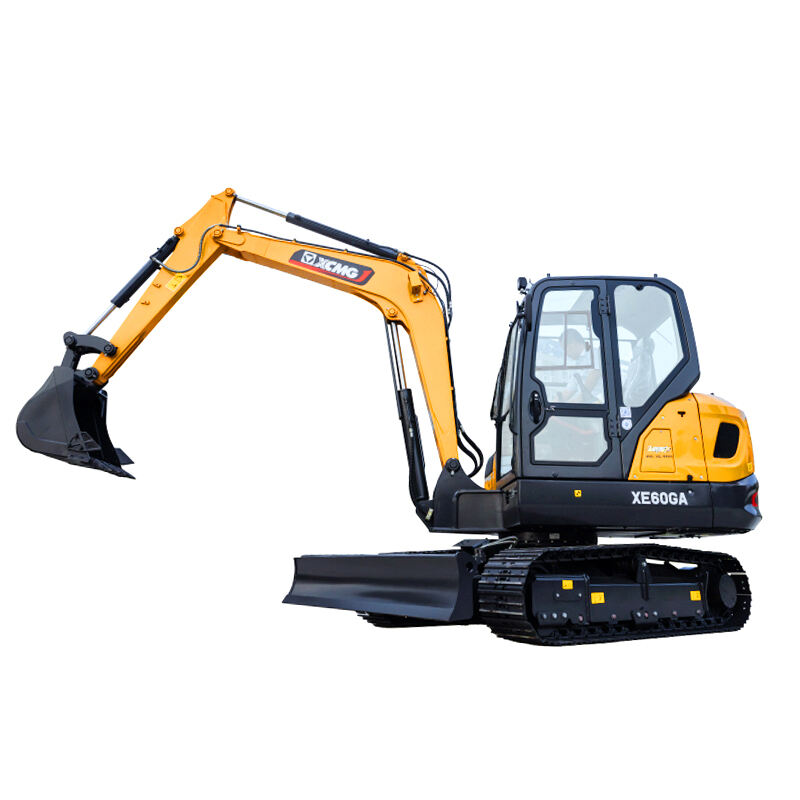
The heavy machinery industry plays a pivotal role in sectors such as construction, mining, and agriculture, driving economic growth and development. However, the environmental impact of heavy machinery has raised significant concerns in recent years. These machines are often large, fuel-intensive, and emit substantial greenhouse gases (GHGs) and pollutants, contributing to climate change and environmental degradation. As the world becomes increasingly focused on sustainability, finding ways to reduce the environmental footprint of heavy machinery is crucial. Several innovative solutions are emerging that can help mitigate the negative impact of these machines, making the industry more environmentally responsible.
One of the most significant environmental challenges posed by heavy machinery is its reliance on fossil fuels, which results in high levels of carbon emissions. Excavators, bulldozers, cranes, and trucks commonly burn diesel, a major contributor to air pollution. In addition to GHG emissions, these machines produce particulate matter, nitrogen oxides (NOx), and sulfur dioxide (SO2), all of which harm air quality and human health. Reducing the reliance on fossil fuels is a top priority for mitigating the environmental impact of heavy machinery.
The shift toward electrification offers a promising solution. Electric Excavator , though still in its early stages, has the potential to drastically cut emissions and reduce dependence on fossil fuels. Electric-powered construction and mining machines are already being introduced in select markets, offering benefits like reduced operational costs and lower maintenance needs. These machines typically produce fewer emissions, particularly if they are charged using renewable energy sources such as wind or solar power. As battery technology advances and charging infrastructure expands, electric heavy machinery is expected to become a viable alternative on a larger scale.
Hydrogen-powered machinery is another promising sustainability solution. Hydrogen fuel cells generate power with water as the only byproduct, making them an environmentally friendly alternative to traditional internal combustion engines. Companies in the heavy machinery sector are exploring hydrogen-powered solutions for large-scale equipment, such as excavators and haul trucks. Although the technology is still developing, hydrogen-powered machinery could offer a sustainable option for sectors where electrification might not be feasible due to long operating hours or large-scale energy requirements.
Another effective strategy for reducing the environmental impact of heavy machinery is through fuel efficiency improvements. Modern engines equipped with advanced technology, such as turbocharging and exhaust gas recirculation (EGR), help optimize fuel consumption and reduce emissions. Additionally, using alternative fuels like biodiesel, which can be produced from renewable resources such as plant oils or animal fats, can significantly lower the carbon footprint of heavy machinery. Companies are increasingly adopting hybrid systems that combine electric motors with traditional engines to maximize energy efficiency and reduce fuel usage.
In addition to cleaner technologies, adopting more sustainable operational practices is essential. Proper maintenance of heavy machinery is critical for improving efficiency and reducing emissions. Regular maintenance ensures that machines run at optimal performance, minimizing fuel consumption and extending their lifespan. Training operators to use equipment efficiently, avoiding idling, and following best practices in terms of loading and unloading can also contribute to lower environmental impact.
Finally, the circular economy approach is gaining traction in the heavy machinery industry. By designing machines that are easier to repair, recycle, and reuse, companies can reduce waste and improve the overall sustainability of the sector. Reusing parts, recycling materials, and ensuring that equipment is made with environmentally friendly components can help lessen the environmental burden of heavy machinery throughout its lifecycle.
In conclusion, while heavy machinery has long been associated with significant environmental impacts, innovative solutions are helping to reduce its footprint. Electrification, hydrogen power, fuel efficiency improvements, sustainable operational practices, and a circular economy approach are all paving the way for a more sustainable heavy machinery industry. By embracing these strategies, the sector can continue to meet the demands of modern development while minimizing its impact on the planet.