
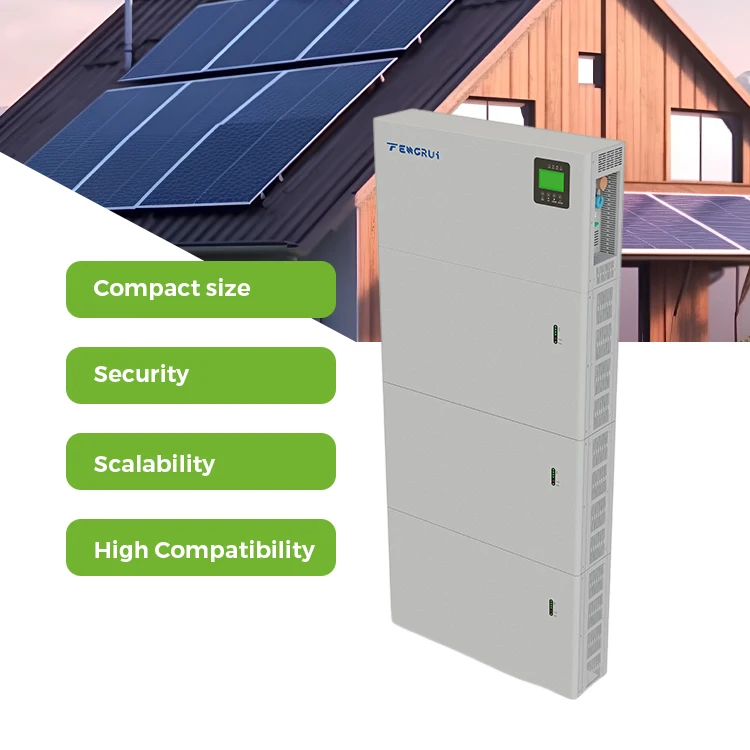
As the global demand for renewable energy accelerates, one of the key challenges has been the intermittent nature of sources like solar and wind power. While these forms of energy are abundant and environmentally friendly, they don’t produce a consistent output—solar power is unavailable at night, and wind power fluctuates with weather patterns. However, the emergence of advanced industrial energy storage system is proving to be a game-changer, offering a solution that can stabilize the grid and make renewable energy more reliable and accessible.
The Role of Energy Storage in Renewable Energy
Energy storage systems (ESS) are designed to capture excess electricity produced during periods of high generation (such as sunny or windy days) and store it for use when demand outpaces production. The most commonly known form of energy storage is battery storage, particularly lithium-ion batteries, though other technologies like pumped hydro storage, compressed air energy storage, and thermal energy storage also play significant roles. These systems are increasingly seen as a critical component in enabling the transition to a clean energy future.
With storage solutions in place, renewable energy can be harnessed and utilized more efficiently. For example, in the case of solar energy, when the sun is shining, excess energy is stored in batteries, which can then be discharged during evening hours when consumption typically peaks. This capability ensures that the energy produced by renewable sources can be reliably delivered around the clock, smoothing out the peaks and valleys in supply and demand.
Integrating Energy Storage with the Grid
The integration of energy storage systems with the electrical grid is another vital step in reshaping the renewable energy landscape. Traditionally, the grid was built around centralized power plants that continuously fed electricity into the system. In contrast, renewable energy is often decentralized, with solar panels on rooftops or wind turbines scattered across the landscape. Energy storage helps bridge this gap by allowing small, distributed energy sources to be synchronized and integrated into the grid seamlessly.
Moreover, energy storage can provide ancillary services like frequency regulation, voltage control, and load shifting, which are essential for maintaining grid stability. For instance, if there is an unexpected dip in power generation from renewable sources due to cloud cover or a lack of wind, stored energy can be released instantly to compensate for the shortfall, preventing blackouts or voltage fluctuations.
Economic Impacts and Market Opportunities
Energy storage is not just transforming the technical aspects of renewable energy; it is also creating new economic opportunities. The growing demand for storage solutions has spurred innovation in the energy sector, leading to advancements in battery technology and a reduction in costs. As the cost of storage continues to fall, energy storage becomes increasingly viable for households, businesses, and utilities alike.
In the residential market, energy storage systems allow homeowners to store electricity generated from solar panels, making them less dependent on the grid and reducing electricity bills. On a larger scale, utilities are investing heavily in grid-scale energy storage to improve grid reliability and reduce the need for expensive infrastructure upgrades. Additionally, energy storage creates new revenue streams by enabling renewable energy providers to sell stored power during peak demand periods when electricity prices are higher.
Looking Ahead: The Future of Energy Storage
The future of energy storage is bright, with continuous improvements in technology and efficiency. As more renewable energy comes online, the need for robust energy storage solutions will only grow. The development of next-generation storage technologies, such as solid-state batteries and flow batteries, holds the potential to further revolutionize the energy sector.
In conclusion, energy storage systems are playing a critical role in reshaping the renewable energy landscape by enabling a more reliable, efficient, and flexible energy grid. With advancements in storage technology and a growing shift toward cleaner energy sources, energy storage will continue to be a key enabler of the global transition to a sustainable, low-carbon future.