
If you are planning a trip to Hunza, one of the most breathtaking valleys in northern Pakistan, you may have heard about Lodges by Baron.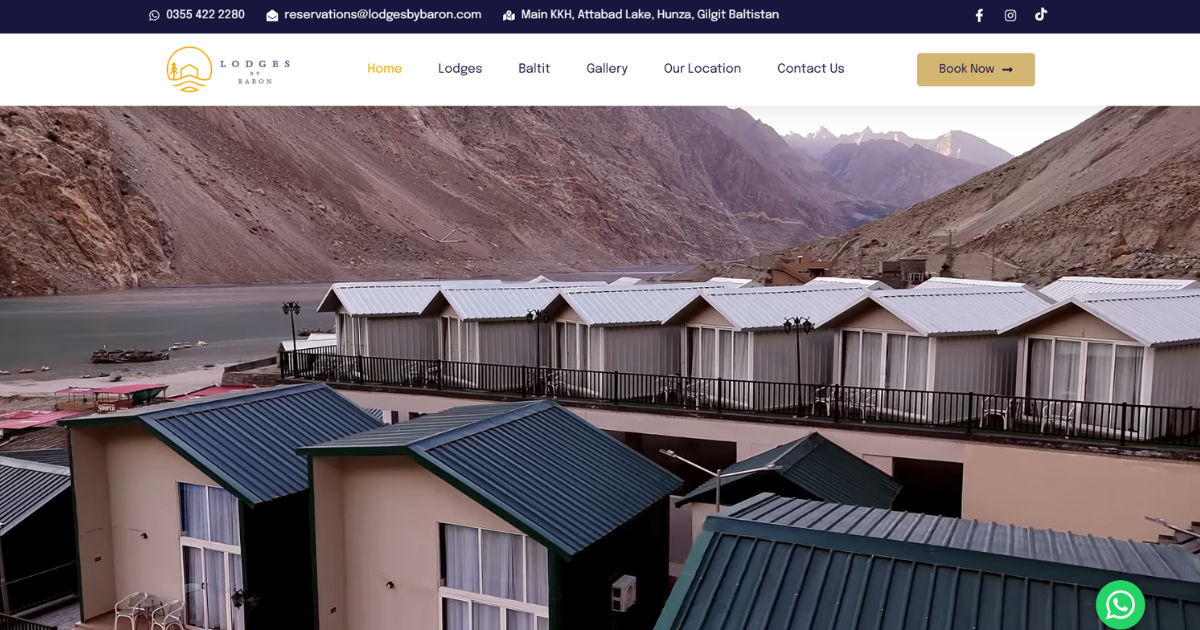
These resorts are not just luxurious places to stay—they are a symbol of how tourism can harmonize with nature.
Choosing eco-friendly resorts in Hunza allows travelers to enjoy stunning landscapes while protecting the environment.
This guide will explore in detail how eco-conscious choices at Lodges by Baron in Hunza support nature, promote sustainable tourism, and preserve the delicate balance of this mountainous region.
The Importance of Eco-Friendly Resorts
Traveling to scenic destinations like Hunza is a privilege. However, tourism can have negative impacts if not managed responsibly. Traditional resorts often consume a lot of energy, generate waste, and can disturb the local wildlife. On the other hand, eco-friendly resorts such as Lodges by Baron adopt practices that minimize environmental harm.
Eco-resorts emphasize renewable energy, waste reduction, and sustainable construction. They often source materials locally and implement water conservation methods. This ensures that the natural beauty of Hunza remains intact for future generations. When tourists choose eco-friendly lodges, they are making a statement: enjoying nature responsibly matters.
Sustainable Construction Practices
One of the key ways eco resorts support nature is through sustainable construction. Lodges by Baron are designed using locally sourced materials such as stone, wood, and bamboo. This reduces the carbon footprint associated with transporting materials from far away.
Moreover, eco-resorts in Hunza are often designed to blend seamlessly with the environment. Rather than cutting down trees or leveling large areas of land, these resorts are constructed to preserve natural terrain. Roofs are often made with insulation-friendly materials that reduce energy needs, and large windows allow for natural lighting, minimizing electricity usage.
By prioritizing construction methods that are gentle on the environment, eco-resorts help maintain the valley’s natural beauty and biodiversity.
Energy Efficiency and Renewable Energy
Energy consumption is a major concern for any resort. Traditional hotels often rely heavily on electricity from non-renewable sources, which contributes to pollution and climate change. Eco-resorts, however, aim to reduce energy use and shift to sustainable alternatives.
At Lodges by Baron, many facilities utilize solar panels for electricity. Solar water heaters are common, and energy-efficient appliances reduce power consumption. Even simple measures, such as LED lighting and smart thermostats, are implemented to conserve energy.
By using renewable energy and energy-efficient systems, eco-resorts decrease reliance on fossil fuels. This not only benefits the local environment but also sets a strong example for tourists on sustainable living practices.
Water Conservation Techniques
Water is one of the most precious resources in Hunza. Glacial rivers provide a continuous supply, but uncontrolled tourism can lead to waste and pollution. Eco-resorts take steps to manage water responsibly.
Lodges by Baron implement low-flow faucets and showerheads, rainwater harvesting systems, and wastewater recycling processes. Greywater from sinks and showers is treated and used for gardening, reducing freshwater consumption.
Water conservation at eco-resorts ensures that local communities and ecosystems continue to thrive. It also educates visitors about the importance of using water wisely, particularly in fragile mountain regions.
Waste Management and Recycling
Tourism generates waste, and improper disposal can severely impact the environment. Eco-friendly resorts like Lodges by Baron have strict waste management policies.
Organic waste is composted to create nutrient-rich soil for gardens. Plastic and glass are separated for recycling. Many resorts also reduce single-use plastics by offering refillable water bottles and biodegradable packaging.
Some resorts even involve guests in waste reduction practices, encouraging responsible behavior. By managing waste carefully, these resorts reduce pollution and help preserve Hunza’s pristine environment.
Supporting Local Communities
Sustainability is not just about the environment—it’s also about people. Eco-resorts actively support local communities by hiring local staff, sourcing food locally, and promoting cultural experiences.
At Lodges by Baron, meals are often made using fresh, locally grown produce. Handicrafts and souvenirs sold at the resort are made by local artisans. This approach ensures that tourism contributes positively to the economy while respecting the cultural heritage of Hunza.
When resorts integrate community support into their business model, they create a sustainable tourism ecosystem that benefits both nature and people.
Protecting Wildlife and Natural Habitats
Hunza is home to diverse wildlife, including ibex, snow leopards, and various bird species. Eco-resorts take measures to minimize disturbances to these animals and their habitats.
Noise pollution is reduced by careful planning of resort layouts. Natural areas around the resorts are preserved, and wildlife corridors are maintained to allow free movement of animals. Resort staff are trained to educate guests about local wildlife and encourage responsible behavior.
By protecting natural habitats, eco-resorts ensure that tourists can enjoy authentic wildlife experiences without causing harm.
Eco-Tourism Activities
One of the benefits of staying at eco-friendly resorts is access to eco-tourism activities. These activities are designed to be low-impact while providing educational and recreational value.
Lodges by Baron offer hiking, birdwatching, photography tours, and guided visits to glacial streams. Guests learn about the local ecosystem, flora, and fauna. Unlike conventional tourism, which can strain resources, eco-tourism activities promote awareness and appreciation of nature.
Such experiences create a connection between tourists and the environment, fostering a sense of responsibility for its preservation.
Education and Awareness
Eco-resorts serve as educational platforms for both tourists and staff. Informational displays, workshops, and guided tours highlight sustainable practices, local ecology, and cultural heritage.
At Lodges by Baron, guests are informed about energy conservation, water-saving practices, and proper waste disposal. Kids and adults alike gain hands-on learning about the environment, which can influence their behavior long after the trip.
Education is crucial because it empowers visitors to make more responsible choices, both during travel and in their daily lives.
Long-Term Environmental Impact
The cumulative effect of eco-friendly practices is substantial. Resorts like Lodges by Baron help reduce greenhouse gas emissions, protect water sources, and prevent deforestation. Over time, this creates a resilient ecosystem that can withstand climate change and human pressure.
Moreover, eco-resorts encourage other businesses to adopt similar practices. When tourists choose environmentally responsible accommodations, it signals a market demand for sustainability, prompting more resorts to rethink their operations.
Challenges Faced by Eco-Resorts
While eco-resorts have many benefits, they also face challenges. High initial investment costs, limited availability of local sustainable materials, and educating staff and guests about green practices can be difficult.
Despite these hurdles, the long-term benefits—preserving natural beauty, supporting local communities, and reducing environmental impact—far outweigh the challenges. Resorts like Lodges by Baron continue to innovate and set benchmarks for sustainable tourism in Hunza.
Choosing the Right Eco-Resort
For travelers who care about the environment, selecting the right resort is essential. Look for certifications or proven eco-friendly practices. Check if the resort uses renewable energy, practices water conservation, manages waste responsibly, supports local communities, and promotes wildlife protection.
Lodges by Baron meets these criteria, making it an excellent choice for tourists who want to enjoy Hunza responsibly. Staying at such resorts ensures that your travel leaves a positive footprint rather than a harmful one.
Tips for Eco-Conscious Travelers
Even when staying at eco-resorts, tourists can take additional steps to support nature:
-
Limit water and electricity use during your stay.
-
Avoid single-use plastics and dispose of waste properly.
-
Respect local wildlife and natural areas.
-
Support local businesses and artisans.
-
Participate in eco-tourism activities responsibly.
By following these simple steps, travelers can enhance the positive impact of their visit to Hunza.
Conclusion
Hunza is a treasure of natural beauty, cultural richness, and diverse wildlife. By choosing eco-friendly resorts like Lodges by Baron, travelers can experience this stunning region while protecting it for future generations. These resorts promote sustainable construction, energy efficiency, water conservation, waste management, wildlife protection, and community support. They also educate guests, encourage responsible tourism, and create long-term positive environmental impacts.
The decision to stay at an eco-resort is more than just a personal choice—it is a contribution to preserving one of the world’s most pristine landscapes. As tourism continues to grow in Hunza, responsible choices can ensure that the valley’s rivers, mountains, wildlife, and communities thrive alongside visitors.
Whether it’s walking through a glacial trail, enjoying locally sourced cuisine, or simply relaxing in an eco-friendly lodge, every action counts. By supporting resorts like Lodges by Baron, tourists play an active role in protecting nature while experiencing the unparalleled beauty of Hunza. Sustainable tourism is not just a trend; it is a necessity, and Hunza sets an inspiring example for the world.
Travel responsibly, stay consciously, and let your journey be a celebration of nature.