
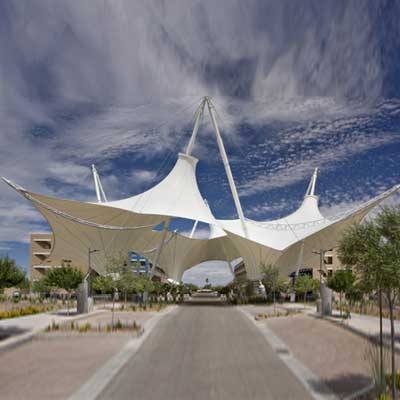
Tensile structures, characterized by their use of tensioned membranes or cables, have become a favored choice for large-scale architectural projects due to their remarkable combination of aesthetic appeal, functionality, and cost-efficiency. These structures offer an innovative approach to design and engineering, which has revolutionized the way we approach both large commercial and public infrastructure. Understanding the cost-effectiveness of tensile structures in large-scale projects is key for architects, engineers, and developers who wish to balance budget constraints with visual impact and performance.
Lightweight Materials and Efficient Use of Resources
One of the most significant advantages of tensile structures is their ability to achieve large spans with relatively lightweight materials. Traditional building systems often rely on heavy concrete, steel, or brick, which require significant amounts of labor, material, and transportation costs. Tensile structures, on the other hand, utilize materials such as high-strength fabric, steel cables, and composite materials that are not only light but also durable. The reduced weight of these materials can significantly cut down on the overall construction costs.
Moreover, because tensile structures are based on tension rather than compression, they typically require less material to achieve the same structural integrity. The inherent flexibility of tensile membranes allows them to distribute forces efficiently, minimizing the need for excess reinforcement. This not only saves on the material costs but also reduces the carbon footprint of construction, as fewer resources are required to build and transport the structure.
Speed of Construction
Time is money in large-scale projects, and the speed of construction is a critical factor in determining overall cost-effectiveness. Tensile structures can often be erected much faster than conventional buildings. The pre-fabricated nature of many tensile components, such as the membrane and supporting framework, allows for quicker assembly onsite. These components are often manufactured off-site and delivered ready for installation, which reduces labor costs and minimizes delays caused by adverse weather or other on-site complications.
The streamlined construction process also means that the need for heavy machinery and equipment is significantly reduced, which contributes to cost savings. Furthermore, tensile structures require fewer skilled workers on-site compared to traditional buildings, further driving down labor expenses.
Energy Efficiency and Long-Term Savings
Tensile structures are known for their ability to create energy-efficient buildings. Their design often allows for natural light to penetrate deep into the interior spaces, reducing the need for artificial lighting and lowering electricity costs. Additionally, the fabric materials used in مظلات can be engineered for specific environmental conditions, improving the building’s insulation and minimizing heating and cooling costs.
The longevity and low maintenance requirements of tensile structures are also important factors in their cost-effectiveness. Unlike conventional buildings that may need frequent repairs or upkeep, tensile structures are resistant to many environmental stresses, such as wind, rain, and extreme temperatures. The materials used are designed to withstand wear and tear, reducing long-term maintenance costs.
Aesthetic Appeal and Versatility
While the cost-effectiveness of tensile structures is undeniable, their aesthetic appeal should not be underestimated. Their unique and modern appearance makes them ideal for high-profile, large-scale projects such as sports arenas, exhibition halls, and public spaces. The ability to create visually striking designs at a fraction of the cost of traditional buildings makes tensile structures an attractive option for developers seeking both style and practicality.
Furthermore, the versatility of tensile structures allows for a variety of applications. From covering vast open spaces to creating dynamic, iconic shapes, tensile designs can cater to a wide range of project needs, providing significant design freedom without the associated high costs of traditional building methods.
Conclusion
The cost-effectiveness of tensile structures in large-scale projects is evident in their ability to reduce material costs, construction time, energy consumption, and maintenance expenses. Their lightweight design, coupled with their ability to span large areas with minimal material, makes them an ideal choice for projects that demand both economy and innovation. As architectural trends continue to favor sustainability and efficiency, tensile structures will undoubtedly play an increasingly important role in the future of large-scale construction.