
The world of smartphones evolves faster than ever, and the latest phones are a testament to how technology is pushing boundaries.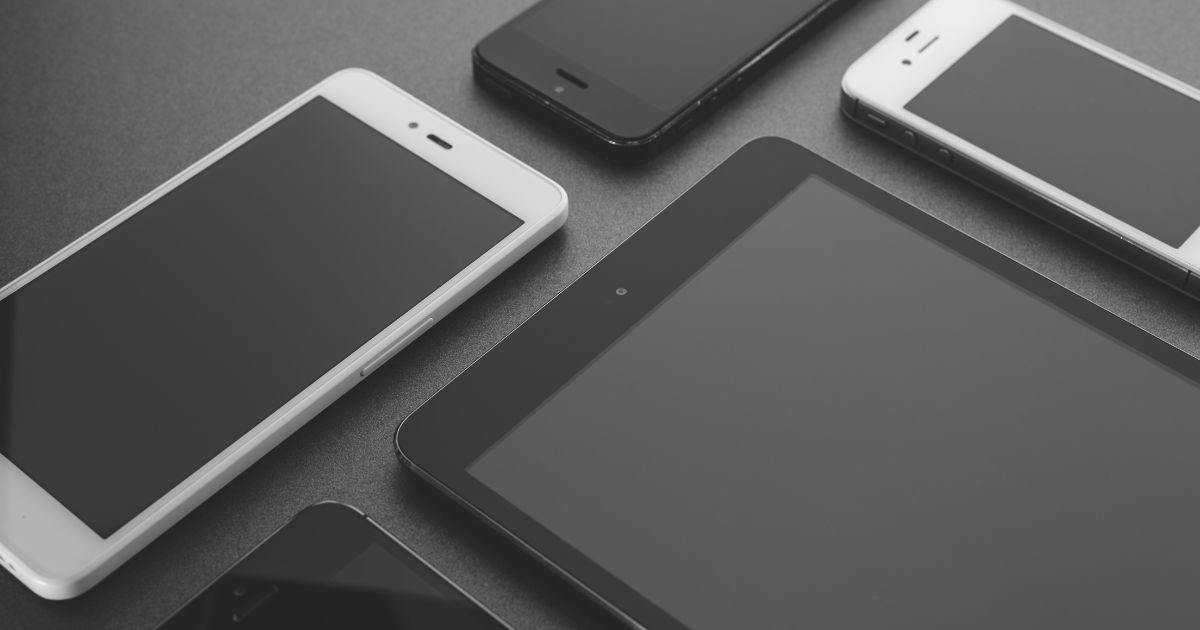
From high-end performance to innovative camera systems, Android devices are now designed not just for communication but also for entertainment, productivity, and creativity.
If you are considering upgrading your device or buying a new one, understanding what to expect from the newest Android phones can help you make an informed choice.
In this guide, we will explore everything you need to know about the latest phones—their features, performance, design trends, camera technology, battery improvements, software updates, and more. By the end, you’ll have a clear picture of what modern Android smartphones bring to the table.
Performance and Hardware Improvements
The heart of every smartphone is its processor, and the latest phones are equipped with some of the most powerful chips ever designed for mobile devices. High-end Android phones now use processors that rival laptop performance, enabling smoother multitasking, faster app launches, and better gaming experiences.
RAM and storage are also on the rise. While older phones often had 4GB or 6GB of RAM, the newest Android devices now offer 12GB to 16GB RAM options. This ensures that switching between apps or running resource-heavy applications is seamless. Storage capacities have grown as well, with many phones now offering 256GB or even 512GB, reducing the need for cloud storage for most users.
Graphics processing units (GPUs) are becoming more powerful, supporting advanced mobile gaming and high-resolution content creation. Coupled with high-refresh-rate displays, the latest phones offer buttery-smooth visuals for everything from scrolling social media to playing graphically intense games.
Design and Build Quality
Design trends in Android phones have shifted dramatically in recent years. While traditional designs with visible bezels are now rare, modern latest phones feature edge-to-edge displays and minimal notches or punch-holes. The trend is moving towards foldable or flexible displays, providing larger screens without increasing the overall device size.
Material quality has improved as well. Premium devices now use glass and aluminum or stainless steel frames, offering a sleek look and a sturdy feel. Some phones are even incorporating ceramic backs, which not only look stylish but also resist scratches better than glass. Water and dust resistance ratings are now standard on most high-end phones, allowing users to worry less about accidents.
Ergonomics are a key focus, with curved edges and lighter builds making larger phones easier to handle. The latest phones also come in a variety of colors, finishes, and even textures, giving buyers more choices to express their personality.
Display Technology
The display is often the first thing users notice, and latest phones are pushing display technology to new heights. OLED and AMOLED screens dominate high-end Android phones, offering vibrant colors, deep blacks, and energy efficiency. Some devices now support HDR10+ and even Dolby Vision, making streaming movies and videos a cinematic experience.
Screen resolution is higher than ever, with many phones offering QHD+ displays that provide razor-sharp visuals. Higher refresh rates, typically 120Hz or 144Hz, make scrolling and animations incredibly smooth. Additionally, adaptive refresh rate technology allows phones to adjust the refresh rate depending on usage, helping to conserve battery life without sacrificing performance.
Edge-to-edge displays are often paired with under-display fingerprint sensors, removing the need for physical buttons and maintaining a clean design. Foldable displays, as seen in some of the latest phones, allow for unique multitasking experiences, such as running multiple apps simultaneously on one screen.
Camera Innovations
Camera technology in Android phones has seen a revolution in the past few years. The latest phones offer multiple camera setups, including wide-angle, ultra-wide, telephoto, and macro lenses. Some devices feature quad or even penta-camera systems that allow for versatile photography in almost any scenario.
Computational photography is a major trend. Advanced AI algorithms help improve image quality, reduce noise, enhance colors, and optimize low-light performance. Night mode, portrait mode, and professional-level editing features are now accessible to everyday users.
Video recording has also improved. Many of the newest Android devices support 4K or even 8K video recording, along with features like slow motion, time-lapse, and HDR video. Stabilization technology ensures smooth footage, even during active shooting. Front cameras are also getting better, providing high-resolution selfies and support for video calls with excellent clarity.
Battery Life and Charging
Battery performance remains a crucial factor for smartphone users. The latest phones often come with batteries ranging from 4,000mAh to 5,500mAh, which, combined with power-efficient processors, can easily last a full day under heavy use.
Fast charging is now standard. Many devices support 30W to 120W wired charging, allowing users to recharge their phones to 50% in 15-30 minutes. Wireless charging is also common, and some phones even offer reverse wireless charging to power accessories like earbuds or smartwatches.
Battery optimization software works alongside hardware improvements, adjusting background processes and screen usage to prolong battery life. AI-driven battery management predicts usage patterns and allocates power efficiently, ensuring the device lasts longer between charges.
Software Experience
Android operating systems continue to evolve, and the latest phones come preloaded with the newest versions of Android. Enhanced customization options allow users to tailor their devices to their preferences, from themes and widgets to home screen layouts.
Security is a major focus. Regular updates, secure app stores, and biometric authentication, such as fingerprint scanners and facial recognition, help protect user data. Some Android devices now feature on-device AI for smarter notifications, predictive text, and adaptive battery management.
Many latest phones also support seamless integration with other devices, including smart TVs, laptops, and home automation systems, creating a connected ecosystem for convenience and productivity.
Connectivity and 5G
5G connectivity is now a standard feature in high-end Android phones. This means faster download and upload speeds, lower latency, and improved performance for streaming, gaming, and remote work. Wi-Fi 6 and Bluetooth 5.3 support further enhance wireless connectivity, providing faster and more stable connections for peripherals and smart home devices.
Advanced GPS and location tracking are improving navigation, augmented reality apps, and location-based services. NFC support allows contactless payments, access control, and quick pairing with other devices. Overall, connectivity improvements make the latest phones more capable and versatile than ever.
Gaming and Entertainment
Gaming is a major reason many users upgrade to the latest phones. High refresh rates, improved GPUs, and optimized cooling systems allow for extended gaming sessions without lag or overheating. Some devices even include gaming modes that enhance performance, block notifications, and optimize battery use during play.
The entertainment experience is enhanced with high-quality stereo speakers, Dolby Atmos support, and larger, brighter displays. Whether streaming movies, playing mobile games, or browsing social media, the latest phones provide immersive experiences that rival traditional consoles and media players.
Storage and Cloud Integration
Storage needs are rising with higher-resolution photos, videos, and apps. The latest phones offer ample internal storage, often expandable via microSD cards. Cloud integration is also a key feature, with services offering seamless backup and access across devices.
Users can store photos, videos, and documents securely in the cloud and access them from multiple devices without worrying about local storage limits. Many phones now integrate cloud storage directly into the gallery and file manager apps, making data management simple and efficient.
Sustainability and Eco-Friendly Initiatives
Manufacturers are now paying attention to environmental impact. Many latest phones use recycled materials in their construction and packaging. Some brands have removed chargers from the box to reduce electronic waste, while encouraging users to reuse existing accessories.
Software optimizations that extend device lifespan, coupled with repair-friendly designs, contribute to sustainability. Consumers are increasingly able to enjoy cutting-edge technology while being mindful of the environment.
Accessories and Expandability
The ecosystem of accessories around Android phones has expanded. The latest phones are compatible with wireless earbuds, smartwatches, docks, cases, and other peripherals. Some devices support styluses for productivity and creativity, while gaming accessories enhance mobile gameplay.
Expandable storage, modular attachments, and external camera lenses allow users to customize their devices according to their needs. This flexibility makes Android phones more than just communication tools—they become central hubs for entertainment, work, and creativity.
User Expectations and Future Trends
Looking at the latest phones, it is clear that Android devices are not just improving in hardware and software—they are evolving to meet the lifestyle demands of modern users. Consumers now expect fast, reliable, and versatile devices that combine productivity, entertainment, and connectivity.
Future trends suggest foldable designs, better AI integration, longer battery life, and more immersive displays. Advanced camera technology and augmented reality features are likely to become standard, and sustainability will continue to influence design choices. By understanding these trends, users can choose devices that will remain relevant for years to come.
Conclusion
The latest phones represent the pinnacle of Android innovation, combining cutting-edge technology with thoughtful design. From powerful processors and stunning displays to versatile camera systems and long-lasting batteries, these devices are built to enhance every aspect of daily life.
Modern Android smartphones are more than communication tools—they are entertainment centers, productivity hubs, and creative platforms. Connectivity, 5G, AI integration, and sustainability are shaping the future of mobile technology, ensuring that these devices meet the needs of both current and future users.
By understanding what the latest phones offer, consumers can make informed decisions and select devices that align with their lifestyle, preferences, and technological expectations. As Android technology continues to advance, the line between smartphones and all-in-one digital companions will continue to blur, delivering experiences that were once unimaginable.