
Acne is a common skin condition that affects millions of people worldwide. While many manage to treat active acne, the scars left behind often remain a source of frustration and self-consciousness. Acne scars can vary in type and severity, ranging from minor indentations to deep, noticeable marks on the skin. These scars are not just cosmetic concerns; they can affect mental health, self-esteem, and confidence.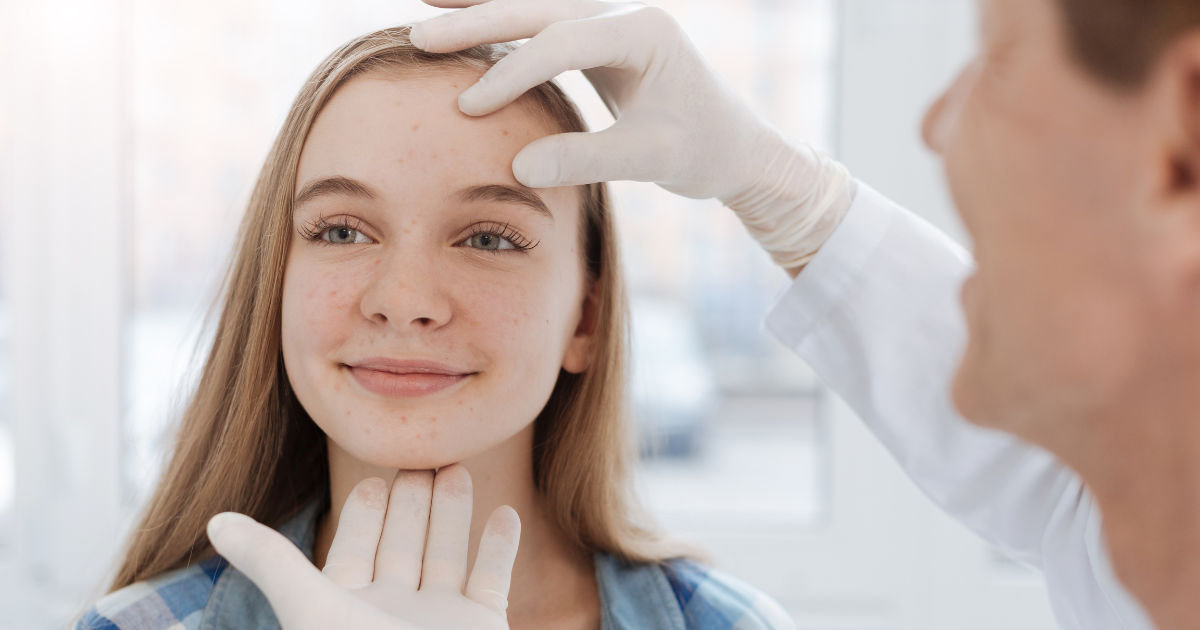
Addressing acne scars requires more than over-the-counter creams or home remedies. This is where a professional dermatologist steps in.
At places like Dr. Fehmida Arif Clinic, patients receive expert guidance on identifying their scar type and choosing the most effective treatments. A dermatologist’s approach is both scientific and personalized, ensuring that each patient achieves optimal results.
Understanding the nature of your acne scars is the first step toward effective treatment. There are several types, including atrophic scars, hypertrophic scars, rolling scars, and boxcar scars. Each type responds differently to treatment methods, making professional assessment critical.
How Dermatologists Assess Acne Scars
When you visit a dermatologist, the first step is a comprehensive skin assessment. A dermatologist evaluates not only the visible scars but also the skin’s texture, elasticity, and overall health. This evaluation is essential because it helps create a tailored treatment plan for each patient.
At Dr. Fehmida Arif Clinic, dermatologists use advanced diagnostic techniques to study scar depth and severity. They may use magnification tools, imaging systems, or even skin mapping technology to understand the exact nature of each scar. This level of precision ensures that the treatment chosen is effective and safe.
Another important aspect of assessment is understanding the patient’s medical history. Factors such as past acne severity, lifestyle habits, skin type, and previous treatments are all considered. This ensures that treatments are customized to prevent complications and achieve the best possible outcomes.
Common Challenges in Treating Acne Scars
Acne scars present several challenges that make them difficult to treat without professional help. One major challenge is the skin’s natural healing process. Once the skin is damaged, it may not always regenerate evenly, leading to uneven textures.
Another challenge is the variety of scar types. Rolling scars, for example, create undulating skin surfaces that are hard to smooth out, while boxcar scars have sharp edges that may require more aggressive treatments. Hypertrophic scars, on the other hand, result from excessive collagen buildup and require a different approach entirely.
Patients also often face psychological challenges. Many feel frustrated when home remedies fail or when results from previous treatments are minimal. This can lead to impatience and the temptation to try unproven methods, which may worsen the condition. Dermatologists at Dr. Fehmida Arif Clinic emphasize patient education, explaining realistic timelines and expected outcomes.
Treatment Approaches by Dermatologists
Dermatologists use a variety of treatments to address acne scars, often combining methods for optimal results. Here’s a breakdown of the most common approaches:
Topical Treatments
Topical treatments are often the first step in acne scar management. These include creams and gels containing retinoids, vitamin C, or hydroquinone. Retinoids help promote cell turnover, reducing the appearance of fine scars and improving skin texture. Vitamin C helps with pigmentation issues, while hydroquinone lightens dark spots.
While effective for mild scarring, topical treatments may not be sufficient for deeper scars. Dermatologists at Dr. Fehmida Arif Clinic often use these as part of a multi-step treatment plan rather than standalone solutions.
Chemical Peels
Chemical peels involve applying a specialized solution to the skin that exfoliates the top layers, promoting regeneration. Depending on the type of scar and skin sensitivity, dermatologists may use superficial, medium, or deep peels.
This treatment can effectively reduce pigmentation, smooth shallow scars, and improve overall skin tone. However, it requires careful monitoring to prevent side effects like redness, irritation, or hyperpigmentation. At Dr. Fehmida Arif Clinic, chemical peels are customized to the patient’s skin type and scar severity for maximum safety and efficacy.
Microneedling
Microneedling is a minimally invasive procedure that involves tiny needles creating micro-injuries in the skin. These injuries stimulate the body’s natural healing response, encouraging collagen and elastin production.
Dermatologists use microneedling to treat various types of acne scars, particularly rolling and shallow boxcar scars. The procedure also enhances the absorption of topical treatments, making them more effective. At Dr. Fehmida Arif Clinic, microneedling is combined with PRP (platelet-rich plasma) therapy in some cases, accelerating skin regeneration and improving results.
Laser Treatments
Laser therapy is one of the most advanced solutions for acne scars. Different types of lasers target specific issues: some focus on pigmentation, while others stimulate collagen production or resurface the skin.
Fractional CO2 lasers, for instance, are highly effective for deep scars, improving texture and reducing scar depth. Non-ablative lasers are gentler and used for pigmentation and minor textural improvements. A dermatologist’s expertise is crucial in selecting the right laser type and treatment intensity to avoid side effects like burns or scarring. Dr. Fehmida Arif Clinic uses state-of-the-art laser systems, ensuring precision and safety.
Dermal Fillers
For certain types of atrophic scars, dermal fillers can provide immediate improvement. These fillers, often composed of hyaluronic acid, lift depressed areas and create smoother skin.
While fillers do not permanently remove scars, they offer a quick cosmetic improvement, which is useful for patients seeking faster results. A dermatologist will carefully select the filler type and injection technique to maintain natural-looking results.
Subcision
Subcision is a minor surgical procedure used for deep rolling scars. The dermatologist inserts a fine needle under the skin to break fibrous tissue that tethers the scar to deeper layers. This releases the depression and allows the skin to rise naturally.
This procedure is often combined with microneedling or laser therapy to enhance collagen production and achieve long-lasting results. Dr. Fehmida Arif Clinic employs precise techniques to minimize discomfort and ensure optimal recovery.
Combination Therapy
One of the key strengths of dermatologists is their ability to combine multiple treatments for complex cases. For example, a patient with deep boxcar scars and pigmentation might receive a combination of laser therapy, chemical peels, and topical treatments.
Combination therapy addresses multiple issues simultaneously, leading to faster and more noticeable results. Dermatologists at Dr. Fehmida Arif Clinic create customized treatment protocols based on scar type, skin condition, and patient goals.
Patient Care and Post-Treatment Guidance
Treating acne scars is not just about the procedure; post-treatment care is equally important. Dermatologists provide detailed guidance on skincare routines, sun protection, and lifestyle modifications to ensure lasting results.
Patients are advised to avoid harsh chemicals, excessive sun exposure, and aggressive scrubbing. Moisturizing and gentle cleansing are emphasized to support healing. Additionally, follow-up appointments allow dermatologists to monitor progress and make adjustments to treatment plans.
Dr. Fehmida Arif Clinic places a strong emphasis on patient education. Every patient receives step-by-step instructions, ensuring they understand the healing process and realistic expectations for scar improvement.
Addressing Psychological Aspects
Acne scars often affect self-esteem, leading to anxiety and social discomfort. Dermatologists recognize this and provide support beyond just physical treatments. Counseling, patient support groups, and motivational guidance are sometimes offered to help patients regain confidence.
At Dr. Fehmida Arif Clinic, holistic care includes addressing emotional well-being alongside skin improvement. This approach ensures that patients feel supported throughout their treatment journey, which can enhance both psychological and aesthetic outcomes.
Preventing Future Scars
A key part of a dermatologist’s work is preventing new scars from forming. This involves effective acne management, early intervention, and patient education.
Dermatologists advise patients on proper skincare routines, the use of non-comedogenic products, and timely treatment of active acne. By controlling acne before it worsens, the risk of future scarring is minimized. This preventive approach is an integral part of the care model at Dr. Fehmida Arif Clinic, helping patients maintain healthy, scar-free skin over time.
Choosing the Right Dermatologist
Selecting the right dermatologist is crucial for successful acne scar treatment. Patients should look for professionals with experience in scar management, access to advanced technology, and a personalized treatment approach.
Dr. Fehmida Arif Clinic stands out as a leading center for acne scar treatment, combining medical expertise with state-of-the-art technologies. The clinic’s team carefully evaluates each patient, explains treatment options in detail, and ensures a safe, comfortable experience.
Realistic Expectations and Results
It is important for patients to understand that acne scar treatment is a gradual process. While some results can be seen quickly, deeper scars may require multiple sessions over several months. Dermatologists manage expectations by explaining potential outcomes, treatment timelines, and maintenance strategies.
Patience and adherence to post-treatment care are critical. Following the dermatologist’s instructions maximizes results and minimizes complications. At Dr. Fehmida Arif Clinic, patients receive ongoing support and monitoring, ensuring their journey toward smoother, healthier skin is successful.
Conclusion
Acne scars are more than just superficial blemishes; they can significantly impact confidence and quality of life. Treating them effectively requires professional expertise, advanced technologies, and a personalized approach.
Dermatologists assess scar type, severity, and skin condition before recommending treatments such as topical therapy, chemical peels, microneedling, laser treatments, dermal fillers, or subcision. Often, a combination of these methods provides the best results.
Post-treatment care, psychological support, and preventive strategies are essential components of successful acne scar management. Choosing a reputable clinic with experienced dermatologists, like Dr. Fehmida Arif Clinic, ensures that patients receive high-quality, comprehensive care tailored to their unique needs.
With professional guidance, realistic expectations, and patience, acne scars can be significantly reduced, restoring not only the skin’s appearance but also the patient’s confidence and self-esteem. A dermatologist’s role is indispensable in this journey, offering expert solutions for one of the most common and challenging skin concerns.
Dr. Fehmida Arif Clinic exemplifies how expert dermatology, advanced technology, and personalized care come together to solve acne scar challenges effectively.