
In today’s fast-paced retail environment, businesses are constantly looking for ways to increase efficiency, improve customer experience, and ultimately boost sales.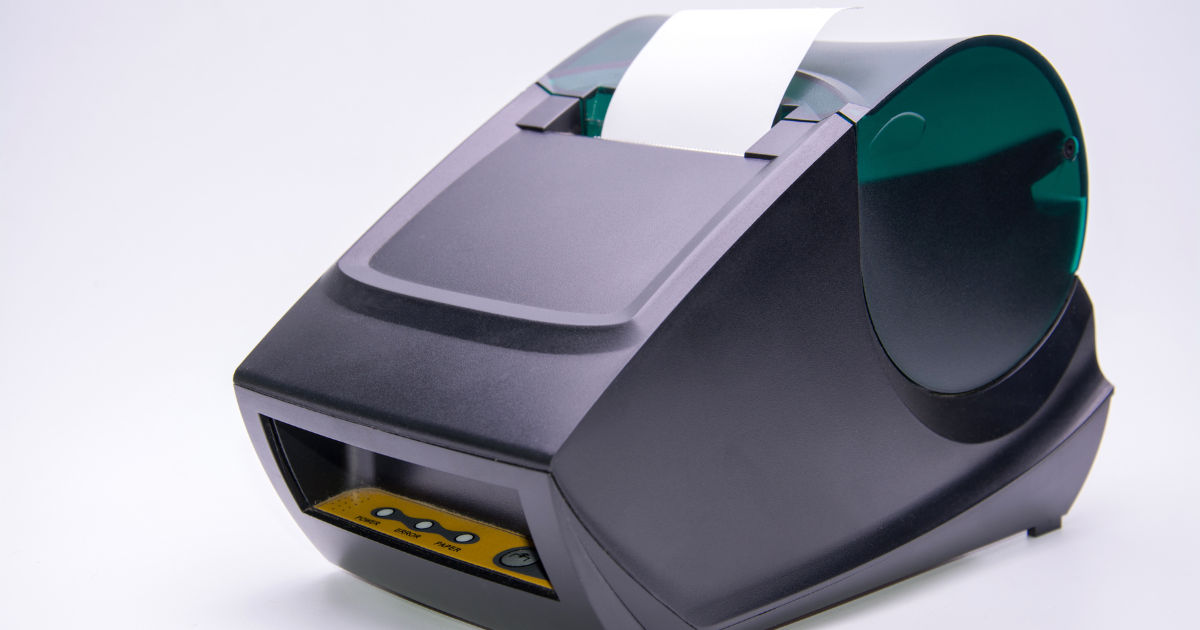
One of the most effective tools for achieving these goals is POS software. A modern point-of-sale system does far more than just handle transactions; it can transform how your store operates, giving you valuable insights, saving time, and increasing revenue.
This comprehensive guide will explore how the best POS software can boost store sales, what features to look for, and practical ways to implement it in your business.
What is POS Software?
POS software, short for point-of-sale software, is the system that retailers use to complete sales transactions. While traditionally a cash register would serve this purpose, modern POS software goes beyond simple checkout. It integrates inventory management, sales analytics, customer data, and sometimes even marketing tools into one platform.
With POS software, every sale becomes more than just a transaction. It becomes an opportunity to collect information, improve operations, and create better shopping experiences that drive sales growth.
Why POS Software is Essential for Retail Businesses
The retail industry is highly competitive. Customers expect quick service, easy payment options, and personalized shopping experiences. Retailers who rely solely on traditional cash registers or manual tracking methods often face challenges such as:
-
Long checkout times
-
Inventory mismanagement
-
Difficulty understanding sales trends
-
Limited ability to engage customers
Implementing the right POS software addresses all these challenges. It allows store owners and staff to manage sales and operations more efficiently, leading to increased productivity and higher sales.
Key Features of POS Software That Drive Sales
Choosing the best POS software requires understanding the features that have the most impact on store performance. Here are the core features that can help boost sales:
1. Inventory Management
One of the most critical functions of POS software is inventory management. Knowing what products are in stock, tracking inventory levels, and receiving alerts when stock is low can prevent lost sales due to out-of-stock items.
Efficient inventory management also allows store owners to identify top-selling products, optimize stock levels, and make informed purchasing decisions, which directly contributes to higher sales and profit margins.
2. Sales Analytics and Reporting
Modern POS software provides detailed analytics and reporting tools. These tools help business owners understand sales trends, identify peak sales periods, and track employee performance.
By analyzing this data, store owners can make smarter decisions, such as promoting high-demand products or adjusting pricing strategies, which can increase revenue.
3. Customer Relationship Management (CRM)
Many POS software solutions include built-in CRM features. These features allow you to collect customer information, track purchase history, and personalize marketing campaigns.
When customers feel recognized and valued, they are more likely to return, spend more, and refer others. Personalized promotions and loyalty programs integrated with your POS can significantly boost store sales.
4. Multi-Channel Integration
In today’s retail environment, many stores operate both in physical locations and online. The best POS software can integrate with e-commerce platforms, ensuring a seamless shopping experience across channels.
This integration allows for consistent inventory management, unified reporting, and the ability to offer services like in-store pickup for online orders, all of which contribute to increased sales.
5. Employee Management
Efficient employee management is another feature of advanced POS software. Tracking employee performance, assigning roles, and monitoring sales by staff can help improve efficiency and accountability.
When staff is well-managed and motivated, customer service improves, leading to higher conversion rates and repeat purchases.
How POS Software Improves Customer Experience
A satisfied customer is more likely to spend more and return. POS software enhances the customer experience in several ways:
Faster Checkout
Long lines can deter customers and reduce sales. With POS software, checkout processes are faster and more accurate, reducing wait times and improving customer satisfaction.
Flexible Payment Options
Modern POS software supports multiple payment methods, including credit/debit cards, mobile wallets, and contactless payments. Offering convenience increases the likelihood of sales and customer retention.
Personalized Service
Using CRM features, employees can greet customers by name, suggest products based on purchase history, and offer relevant discounts. Personalized service makes shopping more enjoyable and encourages repeat visits.
Loyalty Programs
Integrating loyalty programs into POS software encourages repeat business. Customers earn rewards for purchases, increasing the chance of higher average order value and long-term sales growth.
Boosting Sales Through Promotions and Discounts
One of the most effective ways to increase sales is through targeted promotions. The best POS software makes running promotions simple and data-driven:
-
Automatic discounts: Set up rules for discounts on specific products or quantities.
-
Time-based promotions: Schedule sales during slow periods to boost traffic.
-
Bundled offers: Suggest complementary products at checkout to increase average order value.
These promotional tools, managed through POS software, are more efficient than manual methods and often lead to higher revenue.
Inventory Optimization for Maximum Sales
Efficient inventory management can prevent both overstock and stockouts, which can hurt sales and profits. POS software provides real-time inventory tracking, helping store owners:
-
Identify top-selling items and reorder in time
-
Reduce excess stock that ties up capital
-
Analyze seasonal trends to plan promotions
-
Ensure popular items are always available
When inventory is optimized, customers find what they want, sales increase, and profits improve.
Data-Driven Decision Making
One of the most significant benefits of POS software is the wealth of data it provides. Sales reports, customer behavior, and product performance insights help business owners make informed decisions.
For example, if analytics show a certain product is underperforming, a store can introduce promotions or reposition it to increase sales. On the other hand, identifying bestsellers allows the store to stock more and maximize revenue.
Multi-Location Management
For businesses with multiple outlets, POS software simplifies operations. Centralized reporting and inventory management ensure consistency across locations.
Store owners can track which locations are performing best, allocate stock efficiently, and implement consistent marketing strategies, all of which drive overall sales growth.
Real-Time Reporting and Mobile Access
Modern POS software offers mobile access and real-time reporting. Business owners can monitor sales, track inventory, and respond to issues from anywhere.
Real-time insights allow for quick adjustments, like restocking items before they run out or launching promotions in response to slow sales periods, helping to boost revenue.
Integrating POS Software With Marketing Tools
Some POS software includes built-in marketing tools or integrates with third-party platforms. This integration allows store owners to:
-
Send email and SMS promotions to customers
-
Launch targeted campaigns based on purchase history
-
Track the effectiveness of marketing efforts
By connecting sales data with marketing strategies, businesses can run more effective campaigns that increase traffic and sales.
How POS Software Supports E-Commerce
With the growth of online shopping, integrating POS with e-commerce platforms is essential. This integration allows stores to:
-
Maintain consistent inventory across online and offline channels
-
Process orders efficiently
-
Offer services like click-and-collect or home delivery
A seamless experience between physical and digital stores increases customer satisfaction and drives more sales.
Cost Efficiency and ROI
Investing in the best POS software may seem expensive initially, but the return on investment can be significant. By improving efficiency, reducing errors, and boosting sales, the software often pays for itself quickly.
Additionally, automation of tasks like inventory management, reporting, and promotions saves time and labor costs, allowing staff to focus on customer service and sales.
Choosing the Right POS Software
Not all POS software is created equal. When selecting a system for your store, consider the following factors:
-
Ease of use: A user-friendly interface ensures staff can learn quickly.
-
Scalability: The software should grow with your business.
-
Integration: Ensure it can connect with e-commerce, accounting, and marketing tools.
-
Support and updates: Reliable customer service and regular updates are crucial.
-
Cost: Consider both upfront and ongoing subscription fees in relation to potential ROI.
Selecting the right software ensures you get maximum benefits and a strong boost in sales.
Training Staff for POS Success
Even the best POS software will not improve sales if staff does not know how to use it effectively. Training is essential:
-
Conduct hands-on sessions for employees
-
Create quick reference guides for daily tasks
-
Provide ongoing support for troubleshooting
Well-trained employees use the system efficiently, provide better customer service, and help increase store sales.
Common Mistakes to Avoid
Even with the best POS software, retailers can make mistakes that limit sales growth:
-
Ignoring analytics: Data-driven decisions are key.
-
Poor inventory management: Stockouts or overstock can hurt revenue.
-
Failing to update software: Outdated systems can lead to errors and inefficiencies.
-
Underutilizing marketing features: Promotions and loyalty programs drive sales but only if used effectively.
Avoiding these pitfalls ensures the POS system delivers its full potential.
Future Trends in POS Software
The retail industry continues to evolve, and POS software is adapting with innovations like:
-
AI-powered analytics: Predict customer behavior and optimize sales strategies.
-
Contactless and mobile payments: Faster and safer checkout experiences.
-
Cloud-based systems: Access data from anywhere and reduce IT costs.
-
Omnichannel retail support: Seamless integration between online and offline sales channels.
Keeping up with trends ensures your store remains competitive and continues to grow sales.
Conclusion
Investing in the best POS software is no longer optional; it is a necessity for retail success. From improving checkout speed and inventory management to providing deep insights into customer behavior, POS software empowers store owners to make smarter decisions that directly boost sales.
By leveraging advanced features such as CRM integration, real-time analytics, multi-channel support, and promotional tools, businesses can increase efficiency, enhance customer experiences, and maximize revenue. Choosing the right system, training staff properly, and staying updated with technology trends ensures your store remains competitive and continues to grow in today’s fast-changing retail landscape.
For any retailer aiming to increase sales and streamline operations, implementing a modern POS software solution is one of the smartest investments they can make. The results are clear: happier customers, efficient operations, and significant growth in revenue.