
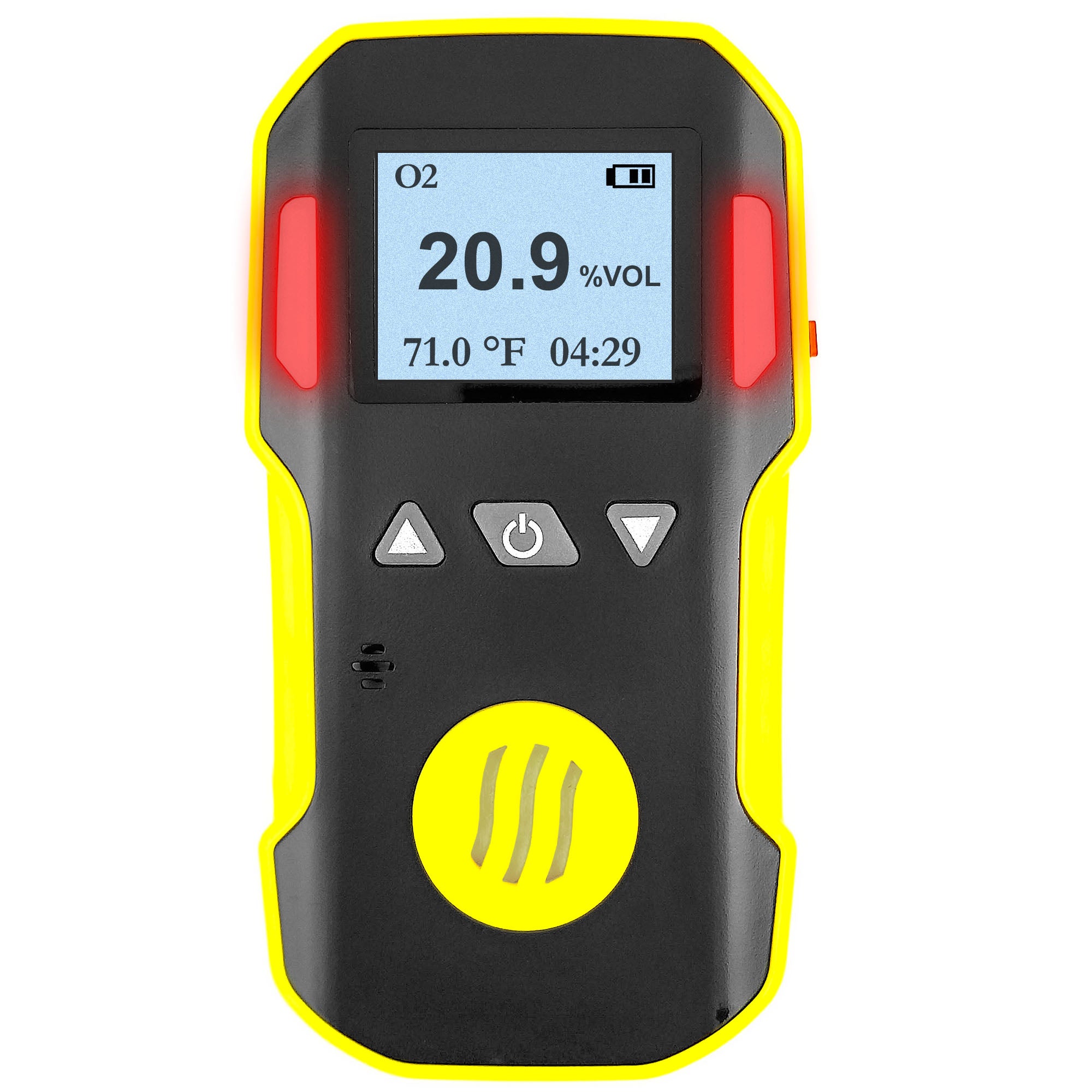
In industries where exposure to toxic or flammable gases is a constant risk, efficient gas detection tools for hazardous environment safety play a vital role in protecting human life, equipment, and the environment. These advanced monitoring systems are designed to identify dangerous gases quickly and accurately, helping prevent accidents in workplaces such as oil refineries, chemical plants, mining sites, and confined industrial spaces.
With growing industrial activity and stricter safety regulations worldwide, reliable gas detection technology has become a core requirement for operational safety and environmental responsibility.
The Importance of Gas Detection in Hazardous Environments
Hazardous environments often contain invisible threats that cannot be detected without specialized equipment. Gases such as carbon monoxide (CO), hydrogen sulfide (H₂S), methane (CH₄), and volatile organic compounds (VOCs) can cause serious health risks, explosions, or long-term environmental damage.
Efficient gas detection tools are essential because they:
- Provide early warning of gas leaks or buildup
- Protect workers from toxic exposure
- Prevent fire and explosion hazards
- Ensure compliance with occupational safety standards
- Support environmental monitoring and emission control
Without proper detection systems, even small leaks can escalate into major industrial disasters.
How Efficient Gas Detection Tools Work
Modern gas detection tools use advanced sensor technologies to continuously monitor air quality and detect harmful gases in real time. These systems are designed for fast response, high accuracy, and reliability in extreme conditions.
Key Detection Technologies Include:
- Electrochemical Sensors: Detect toxic gases like CO and H₂S with high precision and fast response
- Catalytic Bead Sensors: Measure combustible gases by detecting oxidation reactions
- Infrared Sensors (IR): Ideal for hydrocarbon detection and carbon dioxide monitoring
- Photoionization Detectors (PID): Used for identifying volatile organic compounds at low concentrations
- Semiconductor Sensors: Provide cost-effective detection for a wide range of gases
These technologies work together in modern multi-gas detectors to ensure comprehensive safety coverage.
Key Features of Efficient Gas Detection Tools
Today’s gas detection systems are designed with advanced features that enhance usability, reliability, and safety performance. Some of the most important features include:
- Real-time gas concentration monitoring
- Multi-gas detection in a single device
- Audible, visual, and vibration alarms for instant alerts
- Compact and portable design for field use
- Long battery life for extended operations
- Data logging for safety reporting and compliance
- Wireless connectivity for remote monitoring systems
- Automatic calibration and self-diagnostic functions
These features ensure that workers and safety teams can respond quickly to potential hazards.
Applications in Hazardous Industries
Efficient gas detection tools are widely used across industries where gas exposure risks are high.
Oil and Gas Industry
Gas detectors are used to monitor pipelines, drilling sites, and refineries for leaks and combustible gas accumulation.
Chemical Processing Plants
These tools help detect toxic gas leaks and maintain safe working conditions in production environments.
Mining Operations
Underground mining requires continuous monitoring of methane levels and oxygen concentration to prevent suffocation and explosions.
Confined Space Entry
Before entering tanks, tunnels, or storage vessels, workers use gas detectors to ensure safe atmospheric conditions.
Wastewater Treatment Facilities
Gas detection tools help identify harmful gases such as hydrogen sulfide produced during waste decomposition.
Benefits of Using Efficient Gas Detection Tools
The use of advanced gas detection systems provides several important benefits:
- Improved Worker Safety: Immediate alerts prevent exposure to hazardous gases
- Accident Prevention: Early detection reduces the risk of fires and explosions
- Regulatory Compliance: Helps industries meet safety and environmental regulations
- Operational Efficiency: Reduces downtime caused by safety incidents
- Cost Savings: Prevents damage to equipment and infrastructure
By offering continuous monitoring, these tools significantly reduce workplace risks and improve overall safety management.
Future of Gas Detection Technology
The future of gas detection is moving toward smarter, more connected systems. Emerging trends include:
- IoT-enabled Zigarettenrauchmelder monitoring networks for real-time data sharing
- AI-based predictive safety analytics for early risk detection
- Wearable gas detection devices integrated into worker safety gear
- Miniaturized sensors for improved portability
- Cloud-based monitoring dashboards for centralized safety control
These innovations will make gas detection more proactive, intelligent, and efficient in preventing industrial hazards.
Conclusion
Efficient gas detection tools for hazardous environment safety are essential for protecting workers, maintaining industrial compliance, and preventing environmental damage. With advanced sensor technologies and real-time monitoring capabilities, these tools provide a critical layer of defense against invisible dangers. As industries continue to evolve, gas detection systems will become even more intelligent and interconnected, ensuring safer and more secure working environments worldwide.